Hijacked Subdomains Present a Significant Threat
Click here to view/listen to our blogcast.
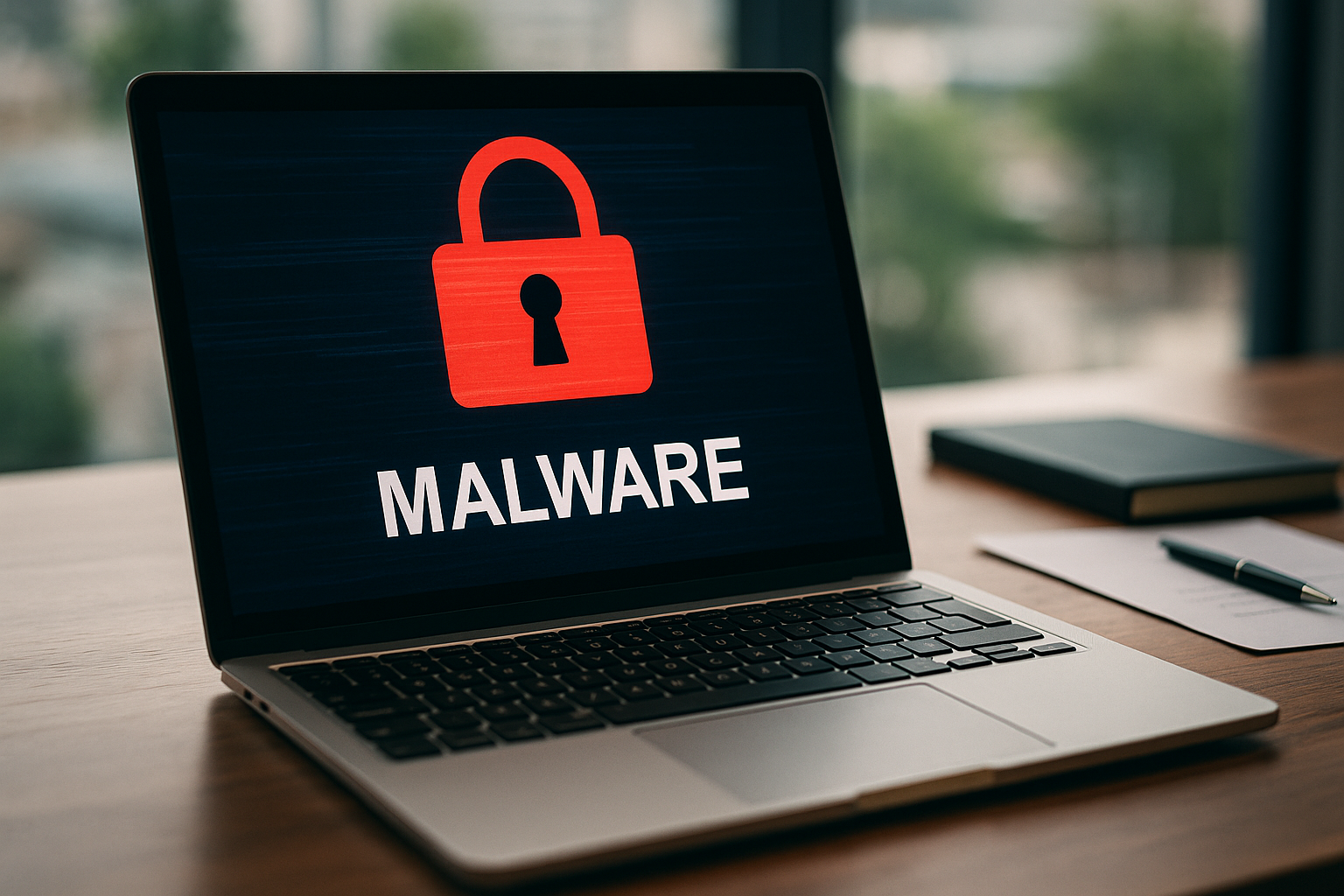
In the digital age, your organization’s credibility hinges on the trustworthiness of its online presence. But did you know that even without a full network breach, attackers can hijack subdomains – the trusted spaces under your brand – and use them to spread malware, phishing scams, or ransomware? This emerging threat has already affected major entities like Bose, Panasonic, and even the US Centers for Disease Control and Prevention.
What Is a Subdomain Hijack (or Takeover)?
A subdomain takeover occurs when a subdomain (e.g., promo.yourcompany.com) points to a third-party resource – like an old cloud service that has been decommissioned. The DNS setting remains live, but the target no longer exists. An attacker can simply re-register or reactivate the service and serve malicious content under your subdomain.
With this control, they can:
- Push phishing pages that mimic your login portals
- Distribute malware via fake software updates or pop-ups
- Deliver persistent scam notifications through web push systems
These threats are stealthy: subdomain hijacks don’t require hacking into your corporate network – they prey on forgotten digital assets.
Real‑World Consequences
Here are a few documented scenarios showing why this is damage you can’t ignore:
- A phishing site hosted on a hijacked subdomain collected real credentials from unsuspecting users.
- Malware was distributed via hijacked bose.com and panasonic.com subdomains.
- Attackers used hijacked corporate subdomains as a persistent scam infrastructure, targeting organizations like Deloitte and the CDC.
The result? Loss of user trust, potential financial damage, data loss, and even search-engine ranking decline.
Four Key Prevention Strategies
To protect your digital domain effectively:
- Regularly Audit and Clean Up DNS Records
Maintain a complete inventory of subdomains and DNS records. Remove any that point to decommissioned services – especially stale CNAME entries. Many attacks stem from overlooked or forgotten DNS settings. - Continuously Monitor for Orphaned Services
Use automated tooling (e.g., Subfinder, Amass) to discover subdomains and cross-check whether they return error responses like “No such bucket” or “404 Not Found”. Red flags here indicate vulnerabilities. - Enforce Strong DNS Hygiene Processes
Workflows around decommissioning services should include mandatory DNS cleanup. Use registrar locking, enable MFA for DNS, and avoid wildcard DNS entries unless necessary – and when using them, apply strict policies. - Implement External Attack Surface Management (EASM)
Adopt EASM tools that monitor DNS zones, certificate transparency logs, and WHOIS data. They alert you when DNS entries become misaligned with active services, catching vulnerability before attackers do.
Actionable Steps You Can Take Today
- Schedule a quarterly DNS audit with your DevOps and security teams.
- Deploy an EASM or similar automated monitoring tool.
- Remove CNAME entries pointing to services that no longer exist.
- Enable DNS registrar lock and enforce MFA.
- Document subdomain creation and deletion in a centralized registry.
These small changes save you from becoming an unintended accomplice in malware distribution or data theft.
How CDML Can Help
At CDML, we specialize in comprehensive digital asset management and security hygiene. Our platform offers:
- Fully automated subdomain discovery and DNS health checks
- Precise visibility into unused or orphaned CNAME records
- Customizable alerts tied to certificate transparency and DNS anomalies
- Robust governance workflows and audit trails to enforce subdomain lifecycle policies
By partnering with CDML, you’re not just preventing external attacks – you’re proactively managing trust in your brand’s online footprint.
Final Thoughts
Hijacked subdomains are not hypothetical risks; they’re real threats exploiting overlooked corners of your digital estate – often without stealing credentials or breaching networks. But with disciplined DNS audits, automation, hygiene best practices, and smart tools, you can lock out attackers before they get in.
Don’t let a forgotten CNAME become your next crisis. CDML can help ensure your subdomains are managed, monitored, and secure.

Stay safe. Stay informed.
📞 Contact us here: https://cdml.com/contact/
📚 Read more on our blog: https://cdml.com/blog – 2
📺 Listen to our blogcasts: https://www.youtube.com/@CDMLComputerServices